You dream of the comfort and security a smart home offers, yet the thought of extensive rewiring and drilling probably makes you feel overwhelmed and hesitant. A new approach calls for smarter tactics, and this is where retrofit smart home solutions come into play.
At its core, retrofitting is the process of adding smart home technology to your existing home and electrical setup, allowing you to enjoy home automation without major renovation work. Gone are the days of breaking open walls and laying new cables.
This simple approach allows you to unlock enhanced convenience, improved energy efficiency, and better security throughout your home. A new world of comfort calls for a closer look — so let’s explore how these benefits can transform your daily life.
Enhance Family Life Without Major Renovation
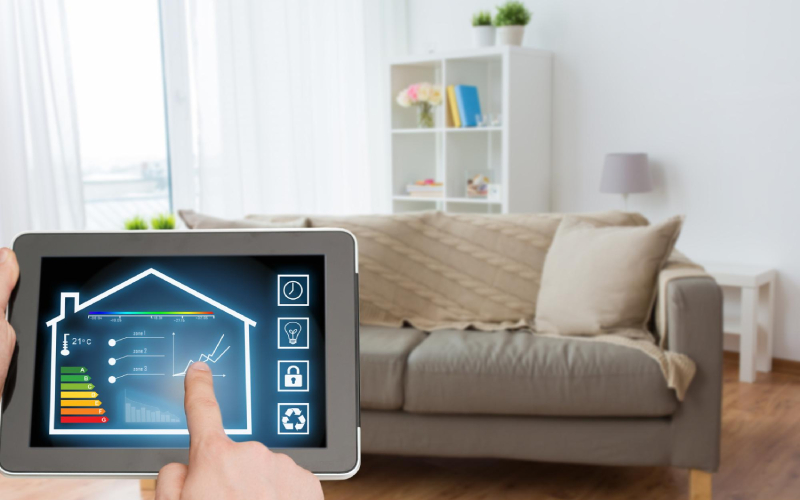
Retrofitting smart home technology into your existing home can deliver greater convenience, comfort, and peace of mind without requiring major changes to your living space. This approach adds value without disruptive changes. For example, you can create customised scenes like “Movie Time” with a single command — dim the lights, switch on the television, and instantly set the perfect ambience for your family. You can also control all your connected devices from anywhere using just a smartphone app.
Beyond everyday ease, retrofitting also boosts your home’s Security by allowing you to control your lights remotely while you’re away — which helps simulate presence to deter potential intruders. This technology offers peace of mind, allowing you to check from the app if a geyser was left on or a door is open, ensuring your home is safe even when you are on the move.
Moreover, smart control directly translates into tangible energy savings. Features like smart timers and automatic switch-offs for standby devices help prevent wasted electricity on appliances you aren’t using. Additionally, monitoring your consumption in real-time allows you to identify more opportunities to save money.
These benefits can be especially valuable for renters, as retrofit smart home technology can offer greater flexibility without requiring major rewiring or remodelling. Therefore, your investment is portable and moves with you, which means you continue to save money in the long run.
This makes the entire process incredibly cost-effective — you can add features one at a time, spreading the investment to suit your budget. Retrofit installation can also reduce disruption compared with traditional wiring work, allowing smart features to be added with less impact on your daily routine. With such practical benefits available so easily, you may wonder how this technology integrates so seamlessly into an existing home.
How Smart Technology Works With Your Current Home
The secret to how retrofit smart home solutions integrate so seamlessly is their reliance on wireless communication. Retrofit smart home devices can use wireless connectivity to communicate with your home network and compatible smart devices — depending on the system and product. There are essentially two main approaches you can take to make your home smarter.
One approach involves using retrofit switches that fit into your existing switchboard and electrical setup, allowing you to add smart control without major wall modifications. Because the original switch plate is kept, this method preserves your room’s aesthetic. Alternatively, the second method involves replacing existing components with smart versions — such as swapping standard bulbs for smart ones or adding smart plugs to your sockets.
But what happens if your internet connection drops and remote app access becomes unavailable? Depending on the system and installation, existing physical controls can continue to provide manual control even when remote app access is unavailable. While some smart devices, such as certain plugs and sensors, can be relatively simple to set up, other installations require professional expertise.
For instance, any work on the power grid, fuse box, or installing modules in a flush-mounted box should always be handled by a certified electrician to ensure safety. Understanding these simple mechanics makes it clear how manageable the process is, paving the way for you to start planning your own smart home setup. Click here to learn more
Planning Your First Smart Home Upgrade
Beginning a successful journey with retrofit smart home solutions starts with a clear plan. First, define your automation priorities. Think about your lifestyle and what daily routines would be most convenient to automate. Next, ensure you choose an open and flexible system to work with. Finally, the key is to start small and expand later. This scalable approach manages the initial investment cost, making it perfectly suited for any budget constraints.
You can begin with just what you need — perhaps automating just the living room — and add more modules when you are ready. This way, your smart home grows organically with your needs. This flexibility is also ideal for renters, as you can start with portable devices and take your investment with you when you move. With a clear plan in place, you can confidently explore some popular and easy ways to begin your smart home upgrade.
Read More : Wooden Wardrobe Elegance in Embracing Design Harmony
Popular Retrofit Ideas for Your Home
Popular starting points for a smart home upgrade include lighting, climate control, security, and everyday convenience. For instance, smart lighting can make it easier to control lights remotely, create schedules, and adjust your home’s ambience with simple commands.
Smart fans are another practical addition, allowing homeowners to manage compatible fans conveniently as part of their connected home. Similarly, smart locks can offer greater control over access, while motion sensors can help automate lighting and other connected features based on activity in different areas of the home.
For greater comfort and energy management, smart AC control can help homeowners manage compatible air conditioning systems remotely and create routines that suit their daily schedules. Motorised curtains can also add convenience by allowing curtains to be controlled as part of an automated routine.
These features can be introduced gradually — allowing homeowners to start with the areas that matter most and expand their smart home setup over time. Together, these retrofit-friendly options demonstrate that upgrading your home can be a gradual and practical process, allowing you to introduce smart features without committing to a major renovation.
Begin Your Journey to a Simpler Home Today
Smart living is no longer limited to new or expensive properties. Retrofit solutions can help homeowners transform their existing spaces without major renovation work or a large upfront investment. The bottom line is that retrofitting offers a practical path to greater convenience, security, and energy efficiency, often with less disruption than a major renovation.
This modular approach allows you to achieve smart Living, keeping what you love while adding only what you need. So, why not start small by identifying one daily inconvenience and finding a single smart device to solve it? If you are ready to take the first step, H-smart Living (https://www.hsmartliving.com/) offers the best retrofit smart home solutions in Chennai to help you begin.